

Iranian Legal Maze Solved: Your Essential Guide to Accessing Sana Iran from Canada
Are you an Iranian resident in Canada facing a legal matter back home, only to be overwhelmed by the complexity of managing it remotely? Do you worry about missing a critical court summons, or Eblagh, because you’re thousands of miles away? How can you ensure the security and confidentiality of your sensitive legal documents when using an unfamiliar online portal from abroad?
For the thousands of Iranians who have made their life in Canada, dealing with legal affairs in Iran—from estate issues and power of attorney to commercial disputes—often feels like navigating a dense fog. The key to clearing that fog is the Sana Iran system. This comprehensive guide is specifically tailored for the Iranian community in Canada, providing the complete, detailed roadmap you need to register, manage, and master the Sana Iran portal, ensuring your legal rights and interests are protected without having to book a flight home.
What is Sana Iran (Sana System) and Why It’s Indispensable for Iranians Abroad
The Sana Iran system, officially known as the Iranian Judicial System’s electronic services platform, is the central digital hub for all legal communication and case management within Iran. Launched by the Iranian Judiciary, its primary goal is to digitize and streamline the often-cumbersome traditional legal process. At its core, Sana Iran replaces paper-based legal correspondences with fast, secure electronic notifications. For Iranians living in Canada, its importance cannot be overstated: it is the mandatory portal for submitting legal documents, registering powers of attorney, and, most crucially, receiving all official court notices and decisions. Without an active Sana Iran account, you are effectively cut off from any ongoing legal proceedings in Iran, making this system a non-negotiable requirement for managing legal affairs remotely.
Why Iranians Living in Canada Cannot Ignore the Power of Sana Iran
The geographical distance between Canada and Iran presents a significant logistical and legal hurdle. Traditionally, court summons and legal notifications were delivered by post, a process that is slow, unreliable, and virtually impossible to manage from Vancouver or Toronto. Sana Iran resolves this critical issue by providing instantaneous delivery of all necessary legal documents, collectively known as Eblagh. For Iranians living in Canada, this digital access ensures that deadlines for appeals, hearings, and submissions are never missed due to slow mail. By giving you direct, immediate access to your case file and official communications, the Sana Iran system empowers you to react quickly, consult with your lawyer, and maintain full control over your legal situation, making it an essential tool for maintaining your legal standing in Iran.
Step-by-Step Guide: How to Complete Your Sana Iran Registration from Canada
Registering for Sana Iran from Canada requires a meticulous, multi-step approach due to the necessity of identity verification. The process generally begins online with the initial data entry. You must navigate to the official Sana Iran website and select the option for ‘Registration for Iranian Expatriates’ or a similar designation. The first step involves entering personal data, including your national code (کد ملی), and contact information, which can be challenging if you don’t have an Iranian mobile number that is active. Because diplomatic relations between Iran and Canada are currently severed and there is no active Iranian embassy or consulate in Canada, in-person identity verification at an Iranian mission inside Canada is not an option for Iranians living here. In practice, this leaves two realistic paths: traveling to a country where Iran maintains a diplomatic mission to complete verification in person, or authorizing a trusted representative inside Iran—through a properly, legally processed power of attorney—to complete the registration and verification steps on your behalf.
The detailed steps for overseas users of Sana Iran are as follows: First, complete the preliminary form on the portal. Second, secure your Iranian mobile number or find a trusted method for SMS verification, as this is often a major technical hurdle. Third, gather all necessary identification documents. Finally, you will typically need to complete the in-person identity verification at a location approved by the Judiciary for expatriates. Successfully navigating this process is the gateway to unlocking the full functionality of the Sana Iran system.
Documentation Decoded: Required Documents for Iranians Abroad to Utilize Sana Iran
To successfully register and fully utilize the services of Sana Iran while living in Canada, Iranians must present specific, valid documentation to prove their identity and legal standing. The core document is always the Iranian National Card (کارت ملی) or its corresponding number. A valid Iranian passport is also a frequently required document to verify identity and citizenship status for overseas users. Depending on the verification method you use—an in-person visit to an Iranian mission in a third country, or a legal representative acting under a power of attorney inside Iran—you may also need to provide a recent photograph, proof of residence in Canada (though this is often secondary to Iranian identity documents), and any pre-existing legal documents related to a case. Ensuring all your documents are current and correctly presented is vital to avoid delays in the Sana Iran registration process. The most significant administrative challenge for Iranians in Canada is that this verification cannot be completed at an Iranian mission inside the country, since Iran currently has no active embassy or consulate here—which is exactly why many residents instead rely on a legally processed power of attorney to a trusted representative in Iran.
The Eblagh Lifeline: How to Receive and Read Official Legal Notifications (Eblagh) in Canada via Sana Iran
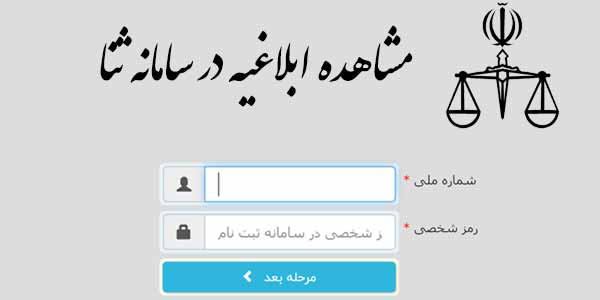
The primary function and most crucial benefit of the system is the instantaneous delivery of Eblagh (ابلاغیه)—official, time-sensitive legal notifications and court documents. Once registered with Sana Iran, all official communication related to your case is sent digitally to your designated electronic mailbox within the system. The procedure for receiving an Eblagh in Canada is straightforward: an SMS notification will be sent to your registered Iranian mobile number informing you that a new notification has been issued. You then log into the Sana Iran portal, navigate to the Eblagh section, and view the document. It is imperative that Iranians living in Canada check their Sana Iran account frequently, as legal deadlines are often short and begin from the moment the Eblagh is officially viewed online. Failure to view or act upon an Eblagh on time is not a defense and can lead to serious legal consequences, underscoring the necessity of mastering this part of the Sana Iran interface.
Troubleshooting Overseas Access: Common Challenges for Overseas Users of Sana Iran
Iranians accessing Sana Iran from Canada face several common technical and logistical challenges that can hinder smooth operation. The most frequent issues revolve around geographical restrictions and identity verification. Accessing the Sana Iran website sometimes requires the use of a Virtual Private Network (VPN) due to regional IP blocking, which can be an unpredictable workaround. Furthermore, the reliance on an Iranian mobile number for SMS verification and login is a major barrier for those who have deactivated their number or only use a Canadian mobile service. Other problems include navigating the Farsi-only interface, dealing with varying internet speeds, and the difficulties associated with having to verify identity documents at an Iranian mission from Canada. These hurdles, while frustrating, are manageable with the right preparation and tools, ensuring you can still effectively use Sana Iran.
Practical Solutions: Resolving Login and Registration Access Problems with Sana Iran from Canada
Fortunately, there are several practical solutions to overcome the technical barriers encountered by Canadians trying to access Sana Iran. For the VPN issue, choosing a reputable and reliable VPN provider with servers inside Iran is crucial for a stable connection to the Sana Iran portal. The most challenging problem, the required Iranian SMS number, can often be solved by designating a trusted relative or legal representative in Iran to handle the SMS verification and forward the codes, or by keeping a low-cost Iranian SIM card active while in Canada. If initial online registration is blocked, contacting a specialized legal firm that assists with the Sana Iran process for expatriates can be an effective option. Such legal experts are typically familiar with the current verification requirements for Iranians living abroad and can help facilitate the process through a properly, legally processed power of attorney, aiming to make access to Sana Iran as secure and straightforward as possible.
Strategic Legal Partnership: The Role of Lawyers and Legal Representatives in Using Sana Iran Abroad
For many Iranians in Canada, the most efficient and reliable method for managing their legal affairs via Sana Iran is through a qualified Iranian lawyer or legal representative. A lawyer acts as your authorized agent, capable of managing all aspects of the Sana Iran system on your behalf. This is particularly valuable for the timely submission of documents, ensuring immediate response to an Eblagh, and navigating the often complex Farsi-language judicial forms. Your lawyer’s access to Sana Iran is granted via a legally registered power of attorney (وکالتنامه), which must be confirmed by the judiciary. By delegating the technical management of Sana Iran to an expert, you minimize the risk of technical failures, language misinterpretations, and missed deadlines, allowing you to focus on the legal strategy while residing comfortably in Canada.
Digital Trust: Ensuring the Security and Confidentiality of Your Legal Information in Sana Iran
Security and confidentiality are paramount concerns when dealing with sensitive legal documents through any online platform, including Sana Iran. The system is designed with multiple layers of security to protect user data and case files. All users, including Iranians accessing it from Canada, must use a unique login and password, and the platform utilizes secure encryption protocols. Furthermore, the authenticity of an Eblagh is legally certified, making it a reliable source of official information. To ensure maximum confidentiality of your legal information within Sana Iran, users in Canada should always use strong, unique passwords, avoid accessing the portal over public Wi-Fi networks, and be highly selective if they choose to share their credentials with anyone other than their registered legal counsel. The Judiciary takes the security of the Sana Iran system seriously, making it a generally safe platform for managing official legal communications.
Financial Transparency: Understanding the Costs and Fees for Using Sana Iran Services from Outside Iran
Understanding the costs associated with using Sana Iran is essential for financial planning. The act of registering for the Sana Iran system itself is generally free of charge, as the platform is a government service intended to digitize judicial communications. However, for Iranians in Canada, costs accrue primarily from the auxiliary services necessary to gain and maintain access. These fees often include the costs associated with getting a Power of Attorney (وکالتنامه) notarized and legalized for use in Iran, which can be a significant expense. If you use a legal representative in Iran to manage your Sana Iran account, you will incur their professional service fees. Furthermore, any specific legal action initiated through Sana Iran, such as filing a complaint or appeal, will be subject to the standard Iranian judicial filing fees (هزینه دادرسی), which are separate from the system’s access. The essential takeaway is that the costs are generally related to legal and verification services, not the Sana Iran platform itself.

Frequently Asked Questions (FAQ) about Sana Iran for Iranians in Canada
?Q: Can I use my Canadian mobile number for Sana Iran verification
A: Generally, no. Sana Iran requires an active Iranian mobile number for the SMS-based verification and notifications. You must maintain an active Iranian SIM card or use a trusted representative’s number for access.
?Q: What if I lose my login details for Sana Iran while in Canada
A: Account recovery often requires access to the registered Iranian mobile number or the assistance of a legal representative who can interface with the Iranian Judiciary’s IT department on your behalf, providing proof of identity to restore access to your Sana Iran account.
?Q: Is the Eblagh received through Sana Iran legally binding
A: Yes, absolutely. An Eblagh received and viewed through the Sana Iran portal is considered officially served and legally binding under Iranian law. The date and time of your viewing are legally recorded in the Sana Iran system.
?Q: Do I need a lawyer to register for Sana Iran
A: No, you can register yourself, but because of the complex identity verification process for Iranians in Canada, using a lawyer or specialized legal firm can significantly simplify and expedite the process of obtaining full access to Sana Iran.
Conclusion
For Iranians living in Canada, the Sana Iran system is not merely an option—it is the modern, mandatory bridge linking your life abroad to your legal interests in Iran. Mastering its registration, understanding the nuances of the Eblagh notification system, and proactively addressing the technical challenges are the pillars of effective remote legal management. While the journey of overseas access to Sana Iran has its obstacles, this guide provides the detailed knowledge required to navigate the process confidently. By following the outlined steps, securing the necessary documentation, and utilizing expert legal assistance when needed, you ensure that geographical distance does not equate to legal vulnerability.
Successfully integrating the Sana Iran portal into your personal or professional affairs from Canada means transforming uncertainty into control. The key to legal peace of mind is preparation, and now armed with this comprehensive knowledge of the Sana Iran system, you are empowered to manage your Iranian legal matters with competence and security. Don’t let distance dictate your legal outcomes; take control of your Sana Iran access today and secure your peace of mind regarding your affairs in Iran